
Billy Bishop Airport Expansion: Where The Proposal Stands Now
The future of Billy Bishop Toronto City Airport has become a major debate in Toronto, with Ontario Premier Doug Ford pushing for the airport to be modernized and expanded. But while the proposal has gained momentum, the future of the airport is still not finalized. With the federal government now consulting the public and Ontario taking steps to gain control over airport lands, the debate is entering a new stage.
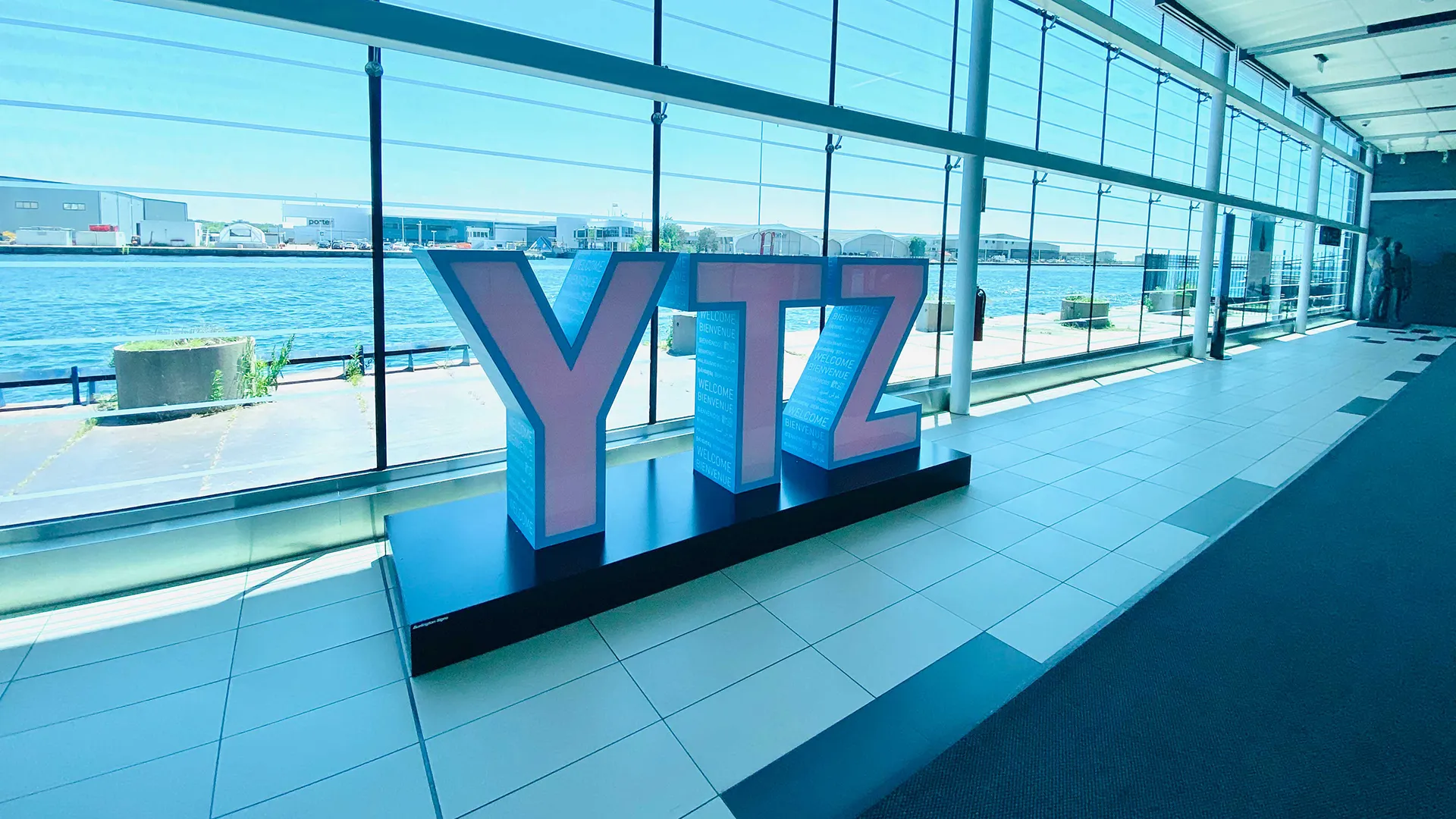
The broader vision is to expand Billy Bishop's role as a major airport serving Toronto. The current airport is limited by a 1983 agreement between the federal government, the City of Toronto, and the Toronto Port Authority. That agreement restricts runway and landmass extensions, limits aircraft noise, and restricts the types of aircraft that can operate at the airport. An expansion could eventually allow larger aircraft and significantly increase passenger capacity. Supporters argue that a larger Billy Bishop could give travellers more options, reduce pressure on Pearson Airport, increase competition, and create economic opportunities in aviation, tourism, and construction. Ontario's government has described the project as a way to support economic growth and create thousands of jobs. However, the exact details of any future expansion, including what infrastructure would be built and how the airport would operate, have not yet been finalized.
There has been a significant development on the provincial side. In June 2026, Ontario passed the Building Billy Bishop Airport Act. The legislation gives the province the authority to take ownership of certain City-owned lands connected to the airport and assume the City's position in the agreement governing the airport. The law also provides for compensation to the City based on market value. The move is important because the City of Toronto has historically been one of the parties involved in the agreement that governs Billy Bishop. Ontario's legislation changes the province's role in that structure and gives the government more control over land that could be relevant to future airport plans. For Ford's government, the goal is to move forward with modernization and expansion. For critics, the legislation has raised questions about municipal decision-making and how much influence Toronto should have over the future of its waterfront.
Even with Ontario's new legislation, the project is not simply moving ahead automatically. The federal government launched a public consultation on June 8, which remains open until July 24, 2026. The consultation is asking Canadians, including Toronto residents, to provide feedback on the airport's future. The federal government says it wants input on issues including noise, environmental considerations, transportation, economic benefits, housing, community infrastructure, and quality of life. The feedback is expected to help inform future decisions. This means there are still important steps ahead before any major expansion can become a reality.
Supporters see Billy Bishop as an opportunity to strengthen Toronto's transportation network and economy. They argue that expanding the airport could provide travellers with more choices and help Toronto compete as a global business and tourism destination. Opponents and concerned residents have focused on a different set of issues. The airport sits beside the Toronto Islands and close to one of the city's most valuable waterfront areas. Concerns have been raised about potential noise, environmental impacts, public space, and how increased airport activity could affect nearby communities. The debate is ultimately about more than flights. It raises a bigger question about how Toronto wants to use and develop its waterfront, and who should have a voice in making those decisions.
The proposed expansion has also sparked protests from residents and environmental groups who are calling on the government to stop the project. Opponents argue that allowing commercial jets could increase noise and air pollution, affect the waterfront, and put pressure on surrounding communities. A Save Our Waterfront rally and march is also planned for July 26, showing that opposition to the expansion continues to grow. Toronto Residents Rally Against Jets & Proposed Island Airport Expansion
What Happens Next?
For now, Billy Bishop Airport has not been expanded. The federal public consultation is the latest major step, while Ontario's legislation has changed the province's role in the airport's future. As the consultation deadline approaches, Toronto residents and other Canadians have an opportunity to make their views known. The next stage will depend on how the federal government responds to the feedback and how discussions between the federal, provincial, and municipal governments develop. For a city like Toronto, major infrastructure projects can shape communities for decades. The conversation around Billy Bishop is therefore not only about the future of air travel, but it's also about balancing economic growth with the environment, public space, and the needs of the communities that call the waterfront home.
