
From Afrofest To Little Jamaica: Is Toronto Doing Enough To Support Cultural Festivals?
Toronto is known for its diversity, and every summer, cultural festivals give communities a chance to celebrate that diversity in public spaces. But this year, two events, Afrofest and Taste of Little Jamaica, have been cancelled, raising questions about how the city supports the festivals that bring communities together. The circumstances behind the cancellations are different, but they point to a bigger conversation: How can Toronto make sure cultural festivals are safe, sustainable, and able to grow?
Afrofest: When Growth Becomes a Challenge
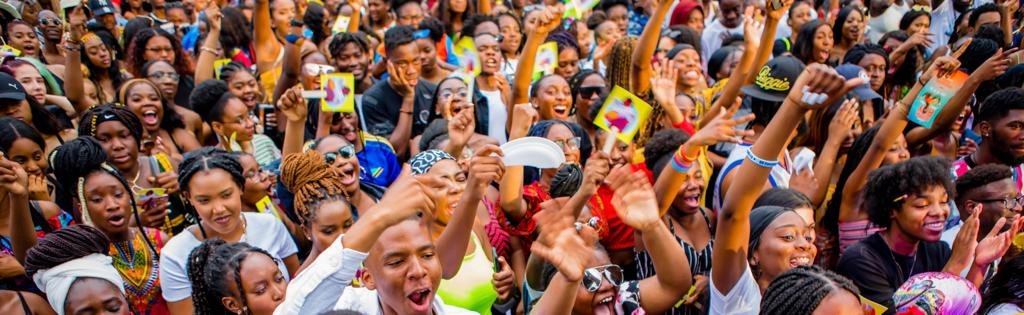
Afrofest, one of Toronto's longest-running African cultural festivals, will not take place in 2026 after organizers were unable to secure a permit for the event at Woodbine Park. The issue is largely connected to the festival's growing popularity. Organizers estimated that about 45,000 people could attend each day, while the park's stated capacity is approximately 17,000. The City raised concerns about the size of the event and the ability to safely manage the crowds. Organizers explored possible solutions, including limiting attendance or introducing ticketing, but ultimately could not move forward with this year's festival. The City has said it remains open to working with organizers to explore options, including adjusting the size of the event or finding a more suitable location. For a festival that has been part of Toronto's cultural landscape for decades, the cancellation is a significant loss. Afrofest is more than a weekend of music. It creates a space for African artists, vendors, businesses, and community members to come together and celebrate culture. But its cancellation also raises an important question: When a cultural festival becomes too successful for its original space, what should happen next? Should the event move to a larger venue? Should the City help organizers develop a new plan? Or should the festival be redesigned to safely manage the number of people who want to attend?
Taste of Little Jamaica: Another Community Event Cancelled
Afrofest is not the only cultural festival that will be missing from Toronto's summer calendar. Taste of Little Jamaica, which was scheduled for July 18, was also cancelled after organizers were unable to secure all of the required approvals. The specific approvals that were outstanding have not been publicly detailed. The festival was planned for the Eglinton Avenue West area and was intended to celebrate the food, music, and culture of Little Jamaica while bringing attention and visitors to local businesses. The cancellation is particularly significant for the neighbourhood, which has experienced years of disruption connected to construction of the Eglinton Crosstown LRT. Local businesses have faced challenges from reduced foot traffic and construction impacts, making community events like this especially important for bringing people back to the area. Organizers have said they remain committed to the festival and are looking toward 2027.
Could Toronto Be Doing More?
These cancellations bring up a larger question about the City's role in supporting cultural events. Safety should always be a priority. Large festivals require careful planning, crowd management, transportation strategies, and emergency preparedness. But should the responsibility of figuring all of this out fall primarily on festival organizers? Could the City provide more support earlier in the planning process? That support could look different depending on the event. It could mean more funding, clearer permitting processes, earlier communication, help finding suitable venues, or stronger collaboration between organizers and City officials. It doesn't necessarily mean more policing. In fact, the conversation may be less about adding police and more about creating a system where organizers and the City can work together before problems become barriers to hosting an event. For growing festivals like Afrofest, there may also be a need for the City to recognize that cultural events can evolve. A festival that once fit comfortably in a neighbourhood park may eventually attract crowds much larger than the space was designed for. Instead of asking whether the festival can continue in the same way, the conversation could be about how to help it grow safely.
Why These Festivals Matter
When a cultural festival is cancelled, the impact goes beyond losing a day of music or entertainment. These events can provide opportunities for local artists and performers, support small businesses and vendors, attract visitors to neighbourhoods, and create spaces where communities can see their cultures represented and celebrated. For neighbourhoods like Little Jamaica, cultural events can also play an important role in bringing attention to local businesses and encouraging people to visit areas that have experienced long-term challenges. Toronto often celebrates its diversity as one of the city's greatest strengths. But supporting that diversity also means creating the conditions for cultural communities to celebrate, gather, and grow.
Finding the Balance
The cancellations of Afrofest and Taste of Little Jamaica are not identical situations, and there is no single solution. But they do raise a question worth asking: How can Toronto balance safety requirements with the need to support the cultural events that make the city what it is? Maybe the answer is better funding. Maybe it's more collaboration. Maybe it's better planning, clearer communication, or helping festivals find spaces that can accommodate their growth. What matters is that cultural festivals are not treated as an afterthought. They are part of Toronto's identity, and the communities behind them deserve to have a voice in how their future is shaped.
