
Honouring World Refugee Day And The Power Of Literature
anadian authors Samra Habib and Kim Thúy speak on their books and experiences arriving to Canada as refugees.
By: Rhea Lisondra
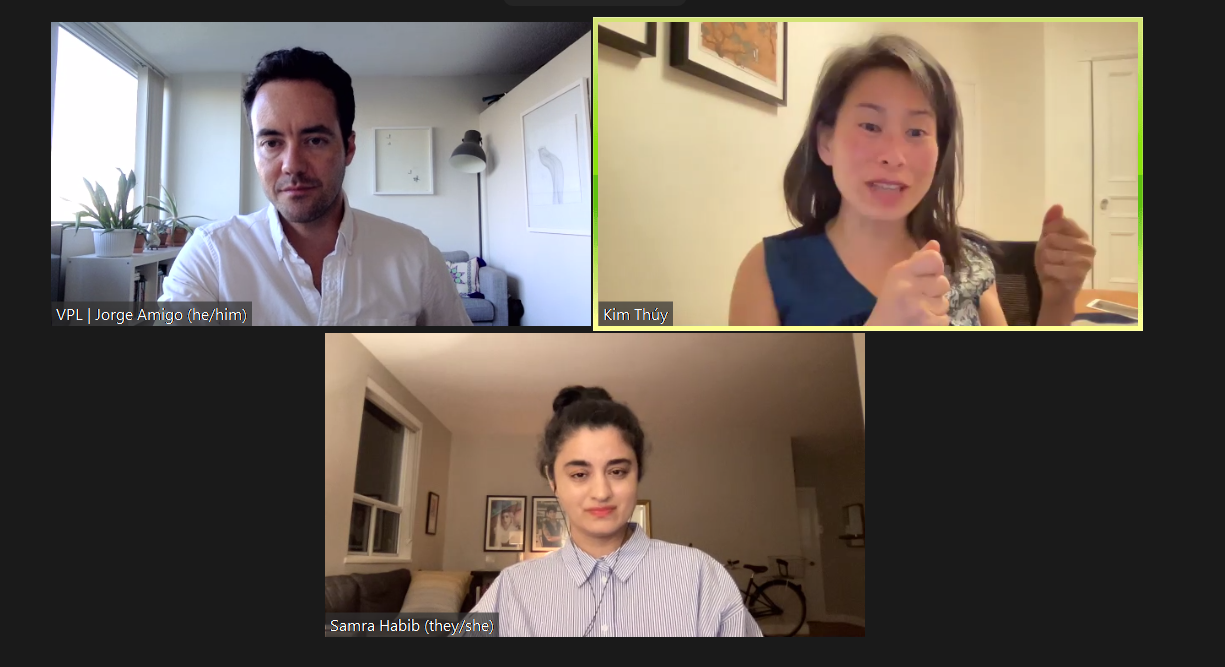
Samia Habib and Kim Thúy sharing their experiences in the virtual Zoom event on Thursday, June 18.
In honour of World Refugee Day, the Vancouver Public Library hosted a panel on the power of literature featuring two award-winning Canadian refugee authors, Samia Habib and Kim Thúy.
Habib was born in Pakistan but fled with their family to Canada at the age of 10 after facing religious persecution. Thúy was born in Vietnam, but fled with her family with the boat people at the age of 10, eventually settling in Quebec.
In 2019, Canada was the world leader for resettlement of refugees and although the country has a history of welcoming refugees yearly, Habib and Thúy point out the often romanticized or generalized view on the experience refugees have upon arrival.
Habib’s writing tackles the myth of viewing Canada as a promised land and touches on the inequities and injustices refugees face after the move to Canada.
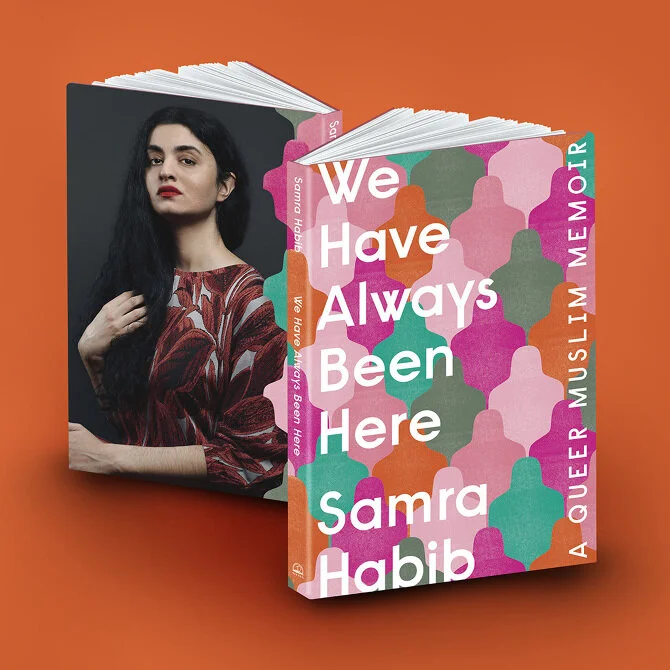
“In the case of my family. We traded one set of anxieties for another set of anxieties.” said Habib. “No longer were we fearing for our lives, or fearing that our family would be killed on our way to the grocery store. But now we're worrying about whether or not we would be able to have food on the table, whether or not we would be able to make rent, whether or not my father would be able to find employment.”
Thúy, who spoke on having the privilege of experiencing a warm welcome in Quebec, used her writing to hold a mirror up to her readers to show that humans can be cruel but they can also be accepting.
“I just wanted to remind us all that we're capable of kindness, we're capable of generosity. And that we can do it again, for the next group of refugees, for the next person who arrived here with nothing, who has left everything behind.”
Another topic touched on during the panel was language being a big part of the settlement experience. Both Habib and Thúy do not write in their mother tongues.

Tweet from Samra Habib.
Habib writes about their first day in Canada, meeting a cousin who refused to speak to them in Urdu despite only being in Canada for a year. Habib expresses concern for how long it will take them to abandon their mother tongue in order to adapt and be accepted in Canada.
“I had somehow internalized that I had to do that in order to receive love and to feel a sense of belonging,” said Habib. “My personal healing begins by acknowledging those parts of myself I have tried to make palatable for others by watering them down and I think it's really now that I'm learning how harmful that has been because no matter what, I've learned that I will always be othered.”
Habib adds that although they feel limited in English in comparison to the poetic nature of Urdu, their comprehension of their mother tongue feels frozen in time from when they first arrived here.
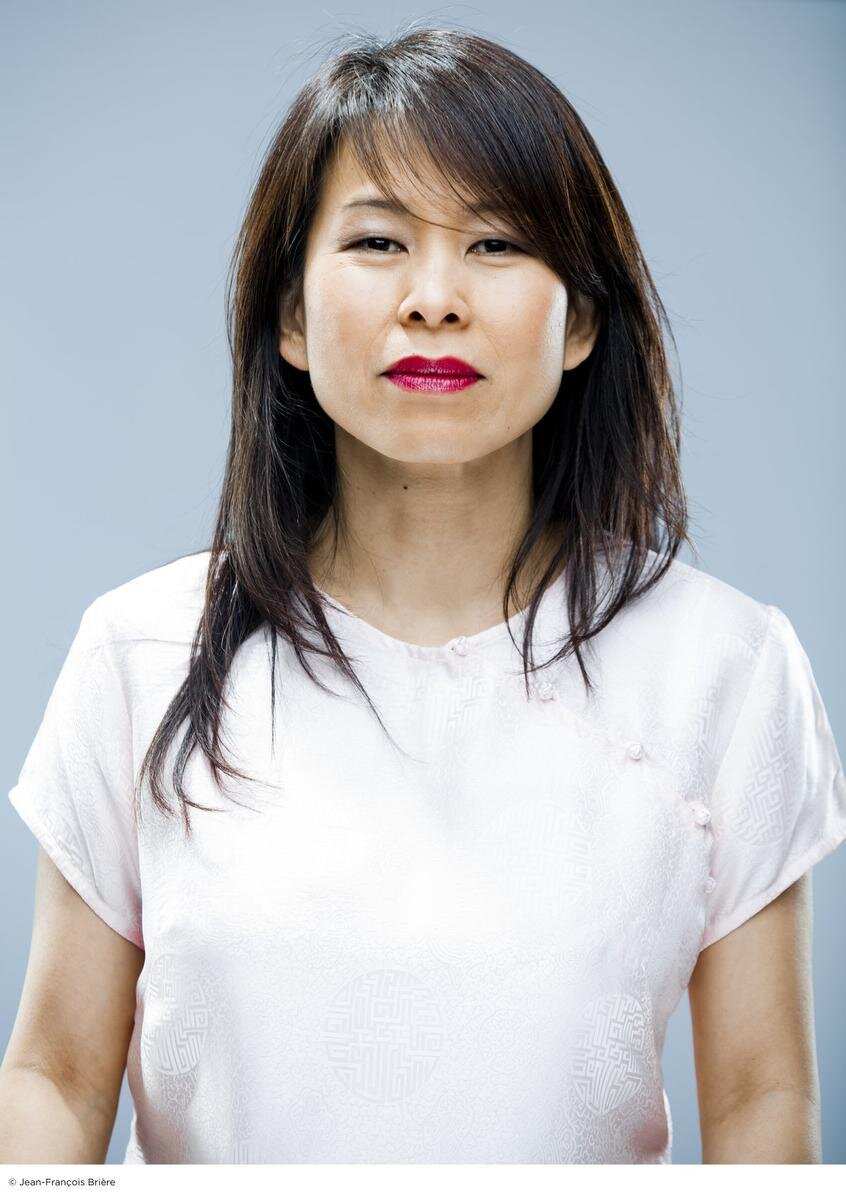
Portrait of Kim Thúy
Thúy, whose parents insisted on maintaining her Vietnamese expressed that knowing multiple languages allows for greater appreciation of each one.
“Because French has become my second mother tongue,” said Thúy. “I can love the Vietnamese language better, because there's a comparison. ‘Home sweet home’ doesn't exist in French, you need to know it in English in order to feel that sensation.”
“When you know two languages or three languages, I think it gives you the opportunity to compare and to fall in love with all these words, which are so unique to each language,” added Thúy.
Thúy and Habib expressed how representation in literature and media has the power to broaden perspectives, build empathy and allow people to feel seen as individuals as opposed to a faceless mass.
“The danger is when you talk about refugees, or immigrants as a group,” said Thúy. “As humans, I don't think that we can connect to something as massive. We need a face, we need a story. So I think it's important to really tell one story at a time.”
