
Meet Your Candidate: Sarah Mcvie
Ahead of Toronto’s 2026 mayoral election, Street Voices connected with the candidates to ask 8 key questions. Here are their unedited responses.
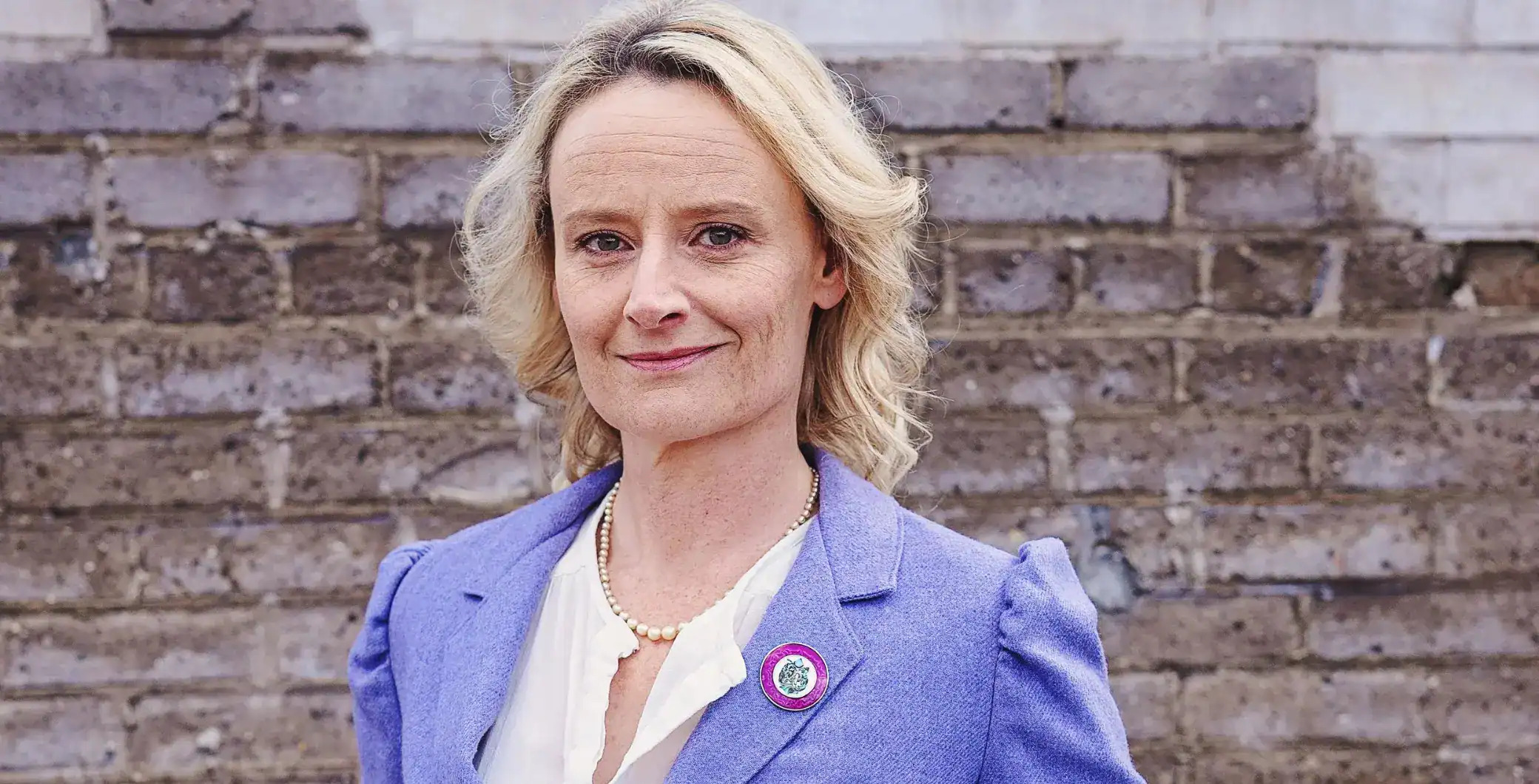
Source: Sarah McVie
Who’s running to lead Toronto — and what do they have to say about the issues affecting your everyday life?
Ahead of the Oct. 26 municipal election, Street Voices emailed 8 questions to the top 5 mayoral candidates, according to a poll in September. The questions were all the same for fairness, and they touched on issues including affordability, housing, youth employment, transit, support for Black and racialized communities, and funding for BIPOC artists.
Three candidates have responded: Brad Bradford, Olivia Chow, and Sarah McVie. Chris Alexander dropped out of the race as of Oct. 6, and Odessa Paloma Parker dropped out on Oct. 21.
Here’s what the candidates who responded have to say about the issues that matter to you. Please note that we have not edited their answers.
We are posting the candidates in alphabetical order by last name: Brad Bradford, Olivia Chow, and Sarah McVie.
Sarah McVie
1. Why are you running for mayor, and what are your top three priorities if elected?
Our democratic accountability is broken, and the top two candidates aren’t going to fix it. For years I’ve fought to get transparency on a flawed multimillion dollar flood mitigation project that threatens immigrant and working-class residents. The City refuses to take accountability and I got to the end of the road. My neighbourhood isn’t alone, like so many not wealthy, not powerful communities, we’ve had to organize and protect ourselves. I’m a creative worker and educator recognized for my work on television around the world, but I’ve struggled around the poverty line for decades. I know what it’s like to hustle, run a tight budget and work multiple jobs just to get by in Toronto. My priority is affordability: releasing unused City-owned buildings into cooperative ownership models for housing, food supply, grocery and community spaces. Next is reallocating resources into community-led planning to empower residents to meet their own needs in the development outcomes in their neighbourhood. The third priority is implementing clear public reporting tools that bring clarity to residents, accountability to procurement and service delivery and will repair trust between residents and the municipal bureaucracy that serves them.
2. This city continues to become unaffordable for young people and working families. What will you do to address this?
I will launch the largest release of publicly owned building stock into cooperative ownership models. Cooperatives are a proven method to create permanently affordable housing, grocery and cultural spaces that are owned by the residents and protected against changing political interests at City Hall and the Province. We aim to clear the 110,000 people currently on the co-op housing waitlist which will then free up rental housing stock and drive market prices down faster than building new units alone. The same model applied to grocery, food supply, and cultural spaces protects us from profit-hungry private companies driving prices higher and stagnating wages. This is structural change that releases public assets for people to co-own and co-manage together so they can take pride in their shared responsibility to keep those spaces running.
3. Many young people, particularly Black and racialized youth, face barriers to finding meaningful employment and gaining work experience. What would you do to create more jobs and opportunities for youth across Toronto?
The city has entry level jobs that go unfulfilled each year. Clear public reporting tools would identify job opportunities for young people and provide full transparency on which residents are being left behind. Representation from residents who reflect the diversity of this city is the only way to protect and improve the lives of all residents. Community-led planning provides resources directly to communities to meet the needs of their own neighbourhoods and can create jobs and opportunities that meet those needs. Cooperative grocery, food supply, and cultural spaces can become worker co-ops that are owned by the community and prioritize local hiring initiatives.
4. What would you do to address the housing and homelessness crisis, including the needs of people struggling to find or maintain affordable housing?
We have at least 100 underused City-owned buildings. In the first 60 days in office I will inventory these buildings to determine how many exactly and where they are located for the purpose of releasing them to cooperative housing (and grocery, food supply, and cultural spaces). The City needs to step in to offer an alternative to the private market but we’ve also learned from too many TCHC cases that shifting political priorities can leave our social housing and other services under-resourced. By using our collectively owned assets and giving them over to cooperative ownership, residents, non-profits, land trusts and other social organizations can work together to provide long-term stability independently of political influence. Cooperative infill development will house people faster than new builds and will put pressure on the private market to drive rent down, meaning less people are at risk of eviction. I will also ensure any new housing funding transfers allocates ⅔ of the funds to permanently affordable housing rather than giving private developers the majority of those funds, as with the last transfer of 2.8 billion.
5. Over the years, we have continuously seen stories of violence and crime that have resulted in tragedies deeply impacting our communities. What will you do to address gun violence and youth crime, especially the deaths of Black teens?
The youth need to feel belonging, value and have a purpose. The neglect of public spaces in less wealthy neighbourhoods is a constant visual reminder that some residents are prioritized over others based on their location. Every community center should have free youth programs that engage young people, teach them about their role in society and give them pride of purpose by informing them about how they can show up for their neighbours. A city wide “youth brigade” that rewards young people for civic actions like park clean ups, community event participation and communicating with local representatives and stakeholders would go a long way to engaging the youth and helping them develop skills that can be used in their adult lives. Paired with better job opportunities and training, these youth will have a clear pathway towards building Toronto’s future with pride.
6. Toronto has a large and diverse arts and culture community. We cover many events happening in the city, and we've talked to many BIPOC artists and grassroots organizations who say they struggle to get access to funding and opportunities. What would you do to make arts and culture funding more accessible and equitable, particularly for emerging and BIPOC artists?
At the mayoral arts debate I spoke about a need to significantly increase arts funding to accommodate the arts workers who choose Toronto as their home. With that we would fund live/workspaces, affordable studio rentals, cultural programming for youth, and engaging education campaigns that are created by and star our amazing local talent that represents our diversity. For every dollar that is invested in the arts, $29 is returned to us so this is a sound investment. This is what we need to create a truly thriving independent arts scene that will attract investment and attention from around the world. With a thriving arts scene, the City’s job is to support the organizations providing accessible arts programming and opportunities for emerging BIPOC artists like the Regent Park Film Festival, Nia Centre for Arts and so many more.
7. Black and racialized communities often depend on transit to get around the city. What is your plan to make public transit more reliable and safe for people?
We must modernize the TTC with better real-time data sharing, signal priority, fewer slow zones, bus priority lanes where feasible, and digital reporting displays at stops to improve service delivery and rider experience. Our proposed “Free TTC Fridays” will encourage residents and tourists to explore the City by transit and improve the visibility of the TTC as a viable option. To address safety, an increase of special constables should be paired with a clear public education campaign that brings clarity to residents about who these people are and what they do. There is also the opportunity for TTC staff in stations to engage with riders in a friendly way that increases a sense of welcoming and social cohesion.
8. What sets you apart from the other mayoral candidates, and what do you want voters,
especially those who feel their voices do not matter during municipal elections, to know
about you?
We need structural change to our municipal system if we are going to see life get better for all residents. That kind of change takes courage. Let’s be courageous together. I can communicate, cooperate, innovate, listen, take criticism, strategize, organize, lead and follow. My life has been devoted to bringing people together and giving them the tools they need to learn and grow, find mutual connection and respect, feel confidence and value, and experience moments of shared joy and relief. We will do great things and build a beautiful hopeful future for the young ones. We can reorient ourselves towards a sustainable and democratic system. The release of public assets for the greater good, clear reporting from our government and resident-led planning are at the center of our platform that is devoted to strengthening voices being left out and giving power back to communities. I’m Sarah McVie and I want to earn your vote on October 26th.
