
By Michael Okunola
“Be Specific - think beyond everyone as your audience”
A quote that resonated with me near the end of an evening explained the importance of storytelling in our communities.
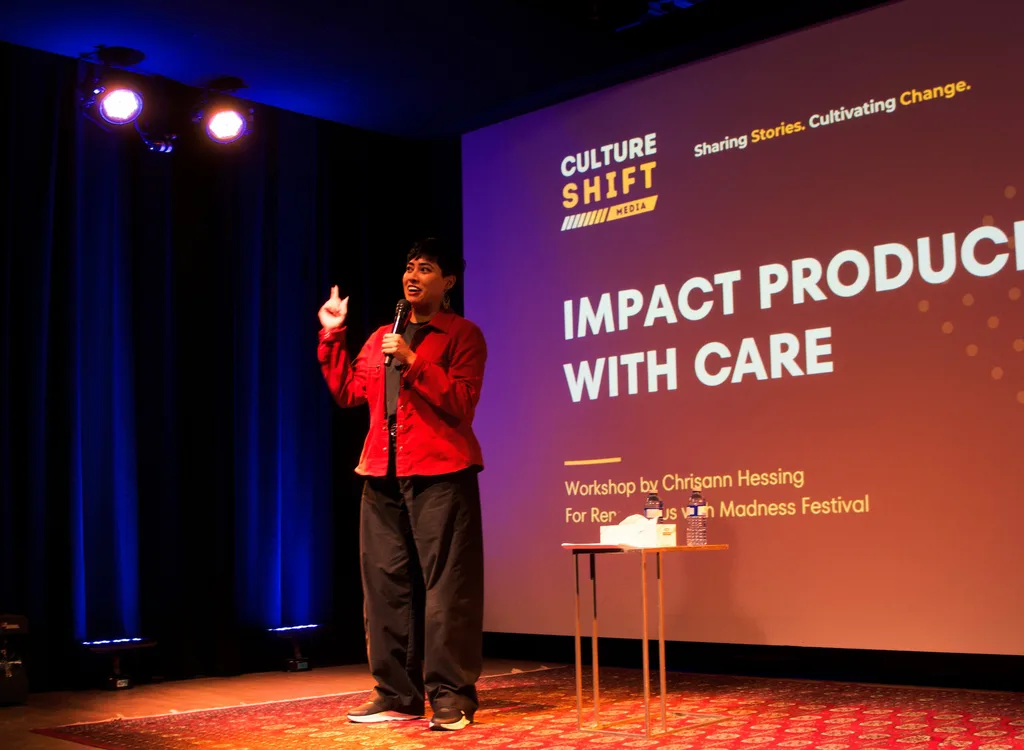
On October 29th, I attended the Workman Arts Film Festival, where a panel discussion explored “impact producing” within the filmmaking industry.
Workman Arts is an organization that helps raise awareness of mental health and addiction issues through production, education, and presentation. Chrisann Hessing, a documentary filmmaker and impact producer whose work explores themes of culture, identity, and transformation, hosted the discussion.
Anyone who loves creation, self-expression, and meaningful change in their community had plenty to take away from the conversation.
One key point Chrisann mentioned was that these films are gifts, tools, and catalysts for real impact. Beyond capturing stories and raising awareness, films can connect people with experiences they might not otherwise see.
But creating a film that sparks conversation is only one part of the process.
To be successful in impact producing, the goal is to find the right audiences and build a community willing to be inspired to change and act on the information presented.
This brings me back to the quote: “Be specific - think beyond everyone as your audience.”
It’s easy to approach creative work with the intention of appealing to as many people as we can. We want our stories to reach the masses, connect with different audiences, and generate as much attention as possible. But sometimes, in trying to speak to everyone, we overlook the people who need to hear the story most.
Creating with a specific audience in mind doesn’t limit a story’s reach. Instead, it gives that story a purpose and a starting point. For impact production, audience means the people most likely to connect with the story first. Some experiences resonate more closely with certain communities, some perspectives can influence others, and some conversations can encourage meaningful change.
An outside audience’s curiosity can also play an important role. When people take the time to listen, learn, and understand experiences beyond their own, storytelling becomes an opportunity to build awareness and connection.
Asking The Right Questions
Another takeaway from the panel was the importance of asking intentional questions throughout the documentary filmmaking process. From the initial idea to the final production, filmmakers should continuously revisit the purpose behind their film. Who is the story for? What story am I trying to tell? Why does it need to be told? And what do we hope people will take away from this? These questions help clarify the film’s purpose and intended audience.
Understanding a project’s purpose helps guide the creative process, but these questions also keep the people and communities in the story in mind.
Beyond The Film Itself
The panel ended on what happens beyond the film itself. Post-film, who are the changemakers who want to get involved now, how can we continue to impact the community we made this for, and what does feedback look like on the back end to understand what the film did for people?
A best practice mentioned was thinking beyond the premiere, when excitement is arguably at its highest, and considering what happens before, during, and after the audience sees the film. Every step matters because the goal is to create a lasting impact on the intended audience.
I enjoyed learning more about impact production and the core elements that make it intentional. As it is a newer term for me, I’m glad to understand how it can help create real change and elevate the voices ready to make it happen.
Remember, storytelling isn’t just about sharing what we see. It’s about understanding who needs to see it, why it matters, and what we can do with that understanding.
Sources:
https://workmanarts.com/
https://workmanarts.com/rwm-events/panel-impact-campaigns/