
No One Should Have To Sleep Outside: Toronto Braces For A Harsh Winter Homelessness Crisis
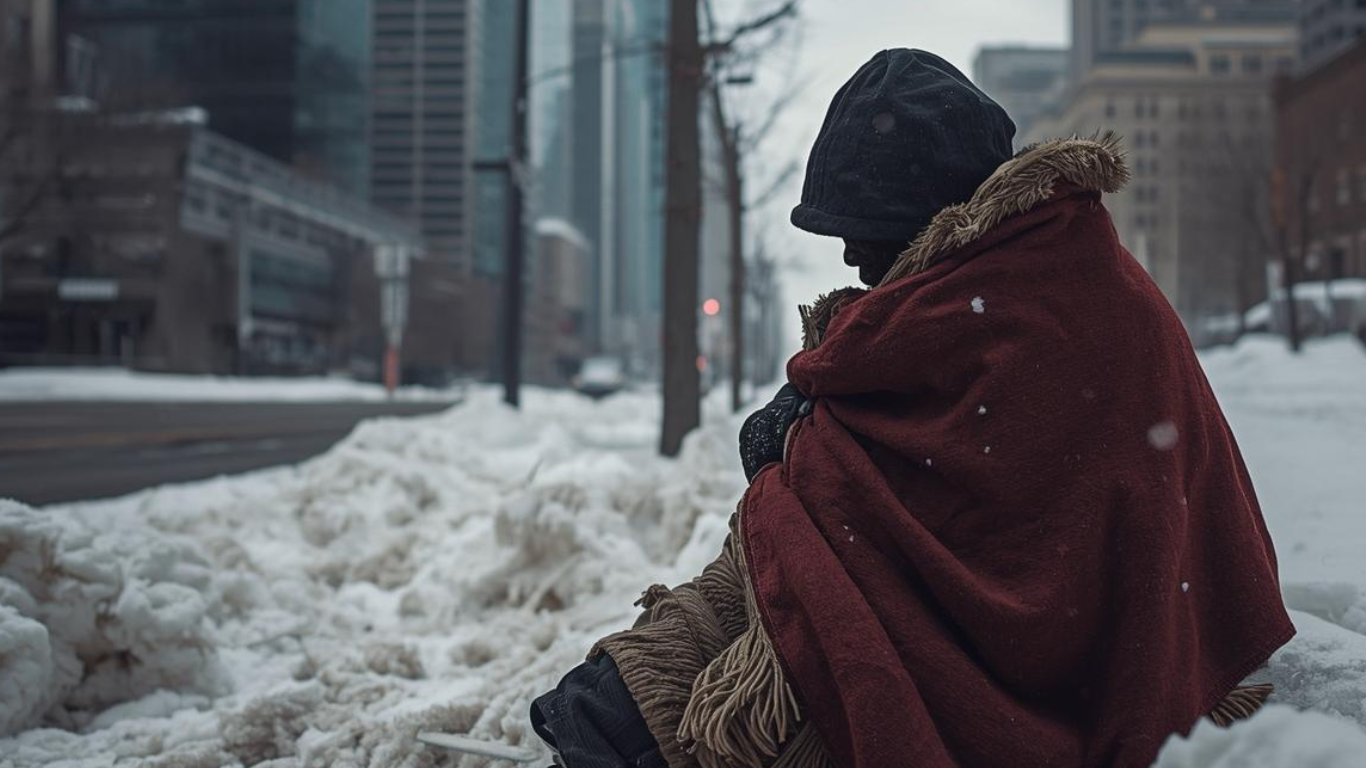
As Toronto woke up to its first major snowfall of the season, the cold air brought more than a seasonal chill — it raised concerns for the growing crisis of homelessness across the city. While snow blanketed sidewalks and commuters bundled up for the first true taste of winter, thousands of Torontonians are facing another long night without a safe, warm place to sleep.
A Growing Crisis in the Cold
Toronto’s homelessness emergency has reached alarming levels. More than 15,000 people are estimated to be experiencing homelessness, according to recent city data — and that number continues to grow. The shortage of affordable housing, rising rents, stagnant wages, and mental health challenges have left many people stuck in a system stretched far beyond capacity.
Today's early snowfall was a reminder of how urgent the situation has become. For those living outdoors, even mild winter nights can be dangerous. Temperatures that drop below freezing increase the risk of hypothermia and frostbite, while overcrowded shelters and limited warming centres leave many with nowhere to go.
The City’s Winter Services Plan
In preparation for the cold months, the City of Toronto has launched its Winter Services Plan for People Experiencing Homelessness, which runs from November 15 to April 15. The plan adds approximately 1,275 spaces across the shelter system — including new 24-hour respite sites, expanded drop-in centre hours, and dedicated warming centres.
When temperatures reach –5°C or when weather alerts are issued, warming centres will activate across the city. Outreach teams will also expand their operations, distributing blankets, sleeping bags, and warm clothing, while encouraging people living outdoors to come indoors for safety.
The City says it will also open an additional 370 supportive and affordable housing units this winter, and has extended daytime drop-in hours by more than 260 hours per week to offer food, showers, and access to health supports.
“We Do What We Can”
Community organizations and outreach workers have been bracing for an intense season. As one staff member from a local non-profit told CTV News, “We do what we can. The need is always greater than the capacity.” Many frontline groups — from shelters to volunteer-led warming programs — have already reported a surge in demand.
Despite the city’s expanded plan, advocates say it still falls short. Warming centres only open when temperatures dip to –5°C, which means people are left outdoors on many cold nights that don’t meet the official threshold. Others point to the lack of permanent housing solutions — noting that temporary measures, while critical, don’t address the systemic roots of homelessness.
A Humanitarian and Moral Imperative
Every winter, Toronto sees preventable deaths from exposure. The cold is unforgiving, but so too is the ongoing lack of affordable, safe housing. The human cost of this crisis extends far beyond physical suffering: isolation, stigma, and trauma continue to erode the dignity of people living on the margins.
Advocates are calling for a more compassionate and comprehensive approach — one that invests in long-term solutions such as mental health care, addiction treatment, and affordable housing, alongside emergency shelter responses.
The City’s Challenge — and Its Opportunity
Toronto’s response to homelessness this winter will be a defining test of its values. Expanding services and adding beds are critical steps, but so is reimagining how the city supports its most vulnerable residents beyond the cold months.
As the snow begins to pile up, one thing remains clear: no one should have to sleep outside in a city as resourceful and compassionate as Toronto. The temperature will keep dropping, but with urgency, coordination, and empathy, the city has an opportunity to ensure that this winter is remembered not for tragedy — but for care, action, and the promise of dignity for all.
