
Provincewide Police Corruption Review Announced After Toronto Scandal Raises Public Trust Concerns
Ontario will conduct a provincewide review of police services after a major corruption investigation involving Toronto police officers exposed serious breaches of public trust and raised questions about how misconduct can go undetected inside law enforcement systems.
The review was announced by Ontario’s Inspector General of Policing following the arrest of seven Toronto police officers and one retired officer. The charges against them are severe and wide-ranging, including allegations tied to organized crime, drug trafficking, robbery, extortion, and unauthorized sharing of confidential police information.
But beyond the headlines and charges, the case centres on something deeply human: how leaked police information may have been used to put someone’s life directly at risk.
According to investigators, confidential police database information was allegedly accessed and shared with criminal networks. That information was then reportedly used to plan violent crimes.
One of the most disturbing allegations involves a plot targeting a corrections worker in Ontario. Investigators say suspects allegedly went to the worker’s home multiple times with the intention of carrying out an attack. Police say the worker was not connected to criminal activity and was targeted after personal information was accessed through police systems.
The broader investigation also alleges connections to shootings, drug trafficking, and other serious organized crime activity. For many Ontarians, the case raises a difficult question: if systems designed to protect people can be misused, what safeguards actually exist?
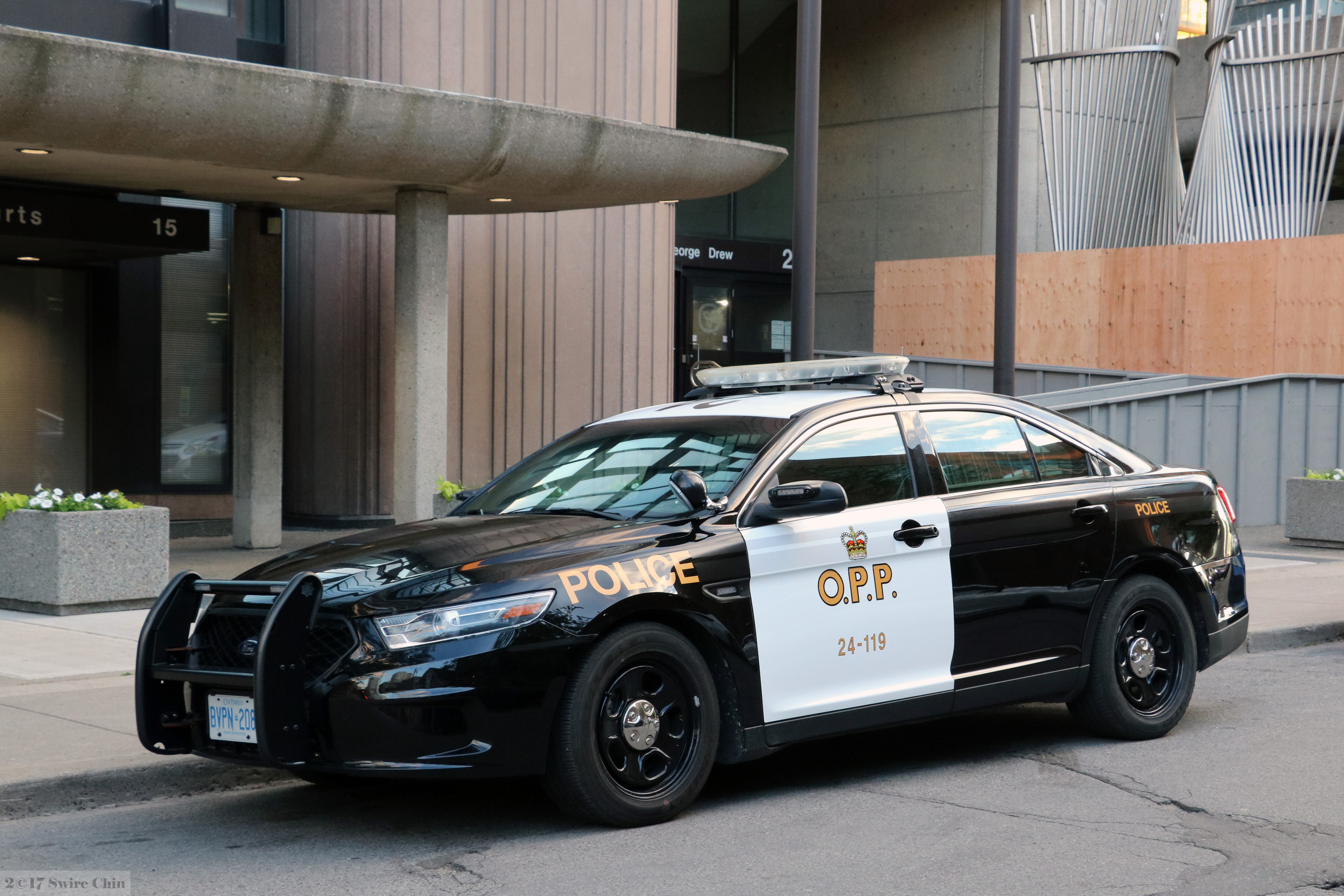
The independent review will look at all 45 police services across Ontario, including the Ontario Provincial Police. An external investigator will be appointed, and findings are expected to be made public once the review is complete.
The investigation will focus on how officers are supervised and monitored, how they are screened during hiring and throughout their careers, who can access police databases and how that access is tracked, how evidence and seized property are managed, and policies around substance use and officer fitness for duty.
While the case began in Toronto, officials say early signs suggest the risks may not be isolated to one police service.
For many communities; especially those who already have complicated or fragile relationships with policing; corruption cases don’t just feel like internal system failures. They reinforce fears about accountability, safety, and whether institutions can be trusted to protect everyone equally.
Police are most often encountered during emergencies: moments of crisis, danger, or vulnerability. When trust is damaged, it can change whether people feel safe calling for help at all.
For youth watching this unfold, especially youth who already feel over-policed or under-protected, moments like this shape how institutions are perceived for years.
The Inspector General role was created under Ontario’s Community Safety and Policing Act to strengthen oversight and allow independent investigations when needed.
Alongside this review, a separate conduct investigation is being handled by Ontario’s Law Enforcement Complaints Agency, while the criminal investigation itself was led by York Region Police after being referred by Toronto Police.
Toronto’s mayor and police board leadership have publicly supported the independent review, saying the public deserves answers about how corruption was able to happen and continue without being detected.
Independent reviews are an important step. Public reporting is important. But rebuilding trust takes long-term, consistent action.
For many communities, trust is built through transparency, accountability when harm happens, real community engagement, and investment in prevention and community-led safety.
As the investigation moves forward, many across Ontario will be watching closely; not just for findings, but for what actually changes afterward. Because for many people, the question isn’t just what happened. It’s whether systems will change enough to make sure it doesn’t happen again.
Source: CBC News (Olivia Piercey, Feb. 9, 2026)
Photo Credits: Can Pac Swire on Flickr.
