
Searching For Ontario’s Missing Black Boys: New Cbc Documentary Exposes How Black Youth Are Being Lured Into Ontario’s Drug Trade
A new documentary from CBC’s The Fifth Estate is forcing a difficult but urgent conversation into the open.
Searching for Ontario’s Missing Black Boys investigates a reality many Black families in the Greater Toronto Area have been living with for years: Black teenage boys are going missing, not because they ran away, but because they are being groomed and transported into Ontario’s drug trade.
The documentary traces how boys, some as young as 13, are recruited in the GTA and sent “OT” out of town to sell drugs in cities like Thunder Bay and Sarnia, and increasingly in remote northern and First Nations communities. There, drugs are sold at a higher price, isolation is greater, and the risks are far higher.
The film combines frontline reporting, court records, and voices from families, community workers, police, and Indigenous leaders to show how organized networks use Black youth as disposable labour.
_1769710555.avif)
From Missing Posters to National Investigation
Across Toronto and surrounding regions, posters of missing Black boys have quietly multiplied over the years. Faces on hydro poles. Names on social media. Phone numbers at bus stops.
The documentary connects these disappearances to a growing trafficking pattern. Adult criminals recruit boys with promises of money, belonging, and status. They are driven or bused hundreds or thousands of kilometres from home and placed in trap houses where they sell drugs, handle cash, and are often instructed to take the fall if police intervene.
Court documents examined in the film describe youth being referred to as “soldiers,” told to protect adult organizers and “hug the charges” if arrested.
Many families only learn where their sons are when police call from another city or when a parent goes searching themselves.
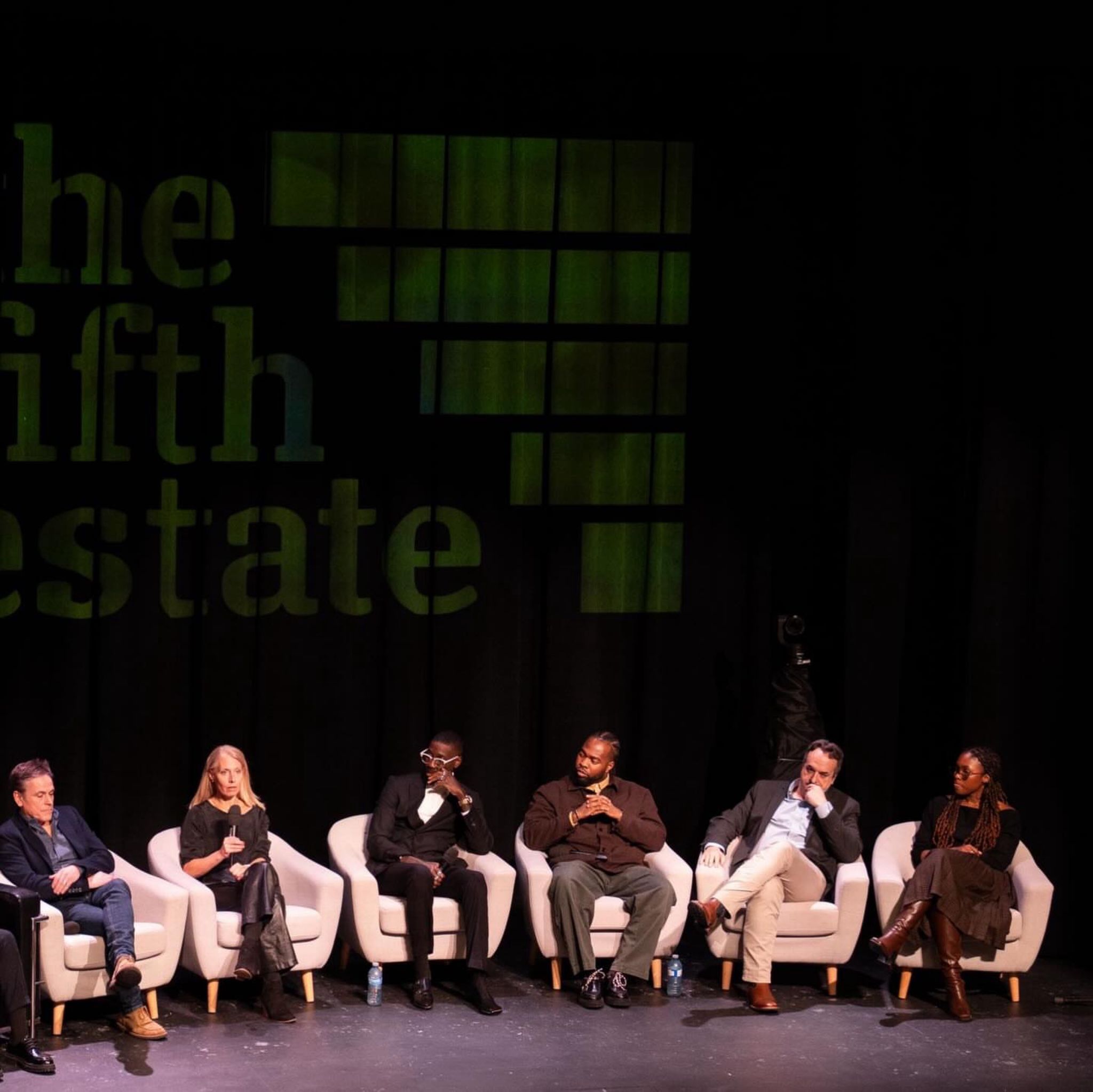
Northern Communities on the Front Lines
A major part of the documentary focuses on the impact this has had far beyond the GTA.
In October 2025, a deadly shooting in Ginoogaming First Nation brought national attention to what northern communities say has been happening quietly for years. Out of town drug operations, often involving young Black boys, have been embedded in remote areas with limited resources to respond.
Chief Sheri Taylor of Ginoogaming First Nation describes the fear and frustration of watching youth be pulled into a system that endangers both them and the community.
“They’re so young,” she says in the film. “They’re getting involved in a world that has no empathy for people.”
The documentary highlights how First Nations communities are being targeted by trafficking networks, while also grappling with underfunded health, addictions, and safety infrastructure.
“No Kid is Born a Criminal”
Educators and counsellors featured in the film stress that what is happening cannot be separated from the broader conditions Black youth face.
High unemployment.
Systemic racism in schools and policing.
Over-surveillance and under-protection.
Limited access to opportunity.
O’Shea Stewart, a Toronto school counsellor who has worked closely with youth who went OT, says many boys are drawn in by messages equating money with manhood and survival.
“No kid is born a criminal,” he says. “There is influence. There is grooming. There is pressure.”
The documentary also shows how difficult it is for youth to leave once they are involved. Criminal records, trauma, and fear of retaliation create barriers long after a boy is physically brought home.
Are These Boys Victims of Human Trafficking?
A central question raised by the film is why the adults organizing these operations are rarely charged with human trafficking.
Advocates, including community organizer Shana McCalla of @FindOntarioMissingBoys, argue that these cases meet international definitions of trafficking. Youth are recruited, transported, controlled, and exploited for labour in dangerous conditions.
The documentary explores why trafficking charges are difficult to lay in Canada, including the reliance on victim testimony and the reality that many youth are unwilling or afraid to speak against those who control them.
Criminologists interviewed in the film argue this points to a deeper problem in how gang recruitment of racialized youth is legally and socially understood.
Why This Documentary Matters
Searching for Ontario’s Missing Black Boys does more than document individual cases. It maps a system.
A system where Black boys are made invisible until they are arrested or killed.
A system where families search across provinces for children the state could not protect.
A system where exploitation is criminalized, but rarely named as exploitation.
By bringing together northern communities, Black families, frontline workers, and investigative journalists, the documentary challenges the public to rethink who is being protected and who is being left behind.
If You Have Information About a Missing Youth
Contact your local police service.
In Canada, you can also contact Crime Stoppers at 1-800-222-TIPS (8477).
Community resource: @FindOntarioMissingBoys
Credits and Sources
Documentary:
Searching for Ontario’s Missing Black Boys
CBC News, The Fifth Estate
Original reporting:
Grant LaFleche, Shelley Ayres, Mark Kelley, Adriel Smiley, Danielle Reid
Photography and visual reporting:
Cover and first article photo by Daniel Rofusz/CBC
Other photos by Adriel Smiley @adrielsmileydotcom on Instagram
Source: CBC News - Searching for Ontario’s missing Black boys
